

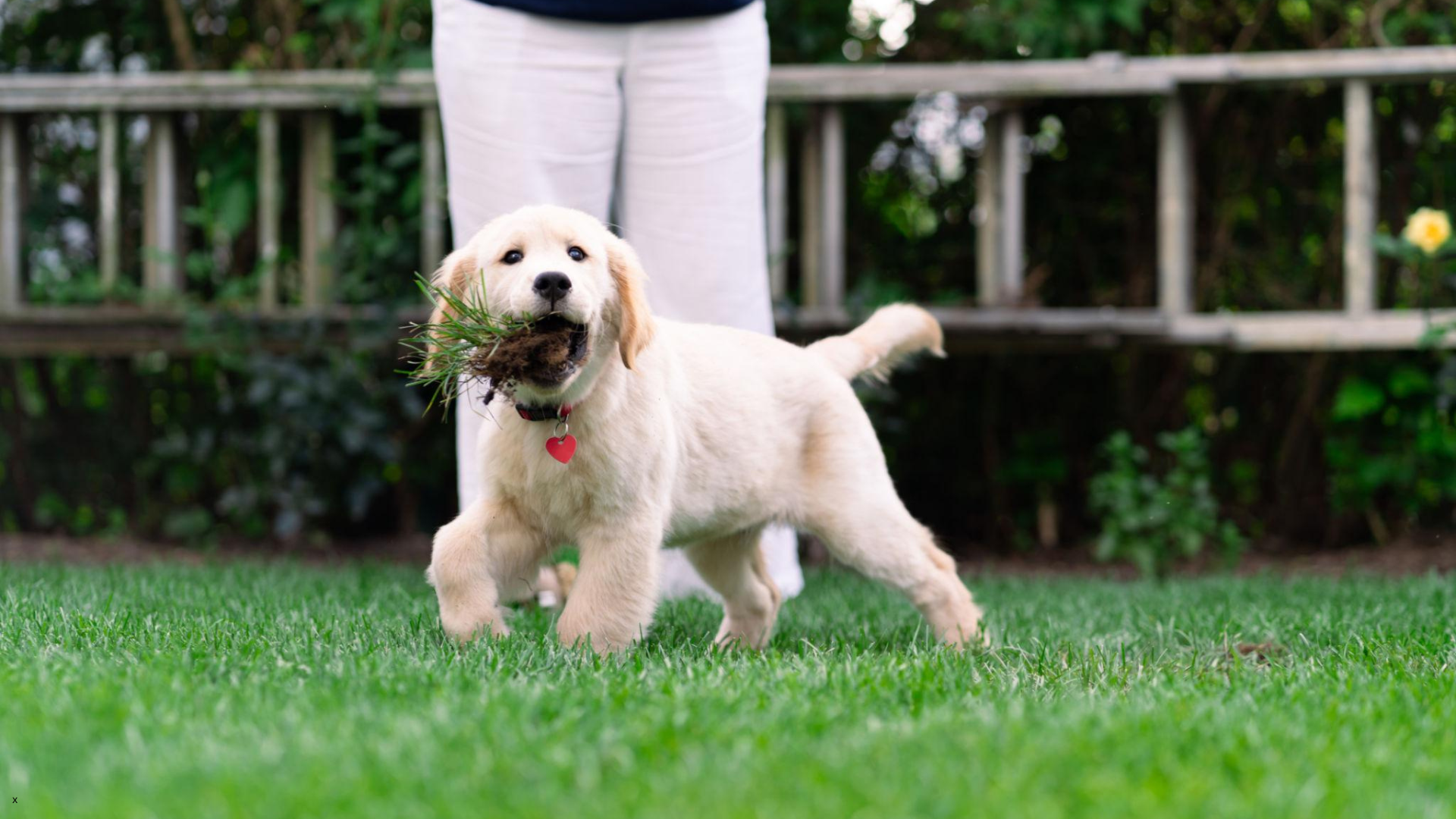
If you’ve ever taken your dog outside and watched them suddenly start munching on grass, you’re not alone. Many pet owners worry that eating grass means their dog is sick.
The truth is, grass eating is very common in dogs, and in many cases it’s completely normal behavior.
Our veterinary team often hears this question from clients: “Why does my dog eat grass?” While there isn’t just one answer, there are several common reasons dogs may snack on grass.
1. Natural Instinct
Dogs are omnivores, which means their diets can include both meat and plant material. Wild canines such as wolves and coyotes often consume plants and grasses as part of their diet.
Even though your dog enjoys high-quality commercial food, this instinct can still remain.
2. Mild Digestive Upset
Some dogs eat grass when they have an upset stomach. In certain cases, grass may irritate the stomach lining and cause vomiting, which may help them feel better afterward.
However, it’s important to know that most dogs who eat grass are not actually sick.
If your dog occasionally eats grass and then goes about their day normally, it’s usually nothing to worry about.
3. Boredom or Curiosity
Dogs explore the world with their mouths. If your dog is outside and notices fresh grass, they may simply chew it out of curiosity.
This is especially common in dogs that:
-
Spend long periods in the yard
-
Are looking for something to do
-
Enjoy chewing on plants or sticks
Providing enrichment like toys, walks, and playtime can help reduce boredom behaviors.
4. They Simply Like the Taste
Believe it or not, some dogs just enjoy the taste and texture of grass—especially fresh spring grass that starts growing after winter.
Many pet owners notice their dogs eating grass more frequently during the spring and early summer when lawns are lush.
When Should You Be Concerned?
Occasional grass eating is typically harmless. However, it may be time to contact your veterinarian if your dog:
-
Eats grass frequently or obsessively
-
Vomits regularly after eating grass
-
Shows loss of appetite
-
Has diarrhea or lethargy
-
Appears uncomfortable or in pain
Another important concern is lawn chemicals. Fertilizers, pesticides, and herbicides can be harmful to pets if ingested. Always be mindful of where your dog is grazing.
Keeping Your Dog Healthy This Spring
As the weather warms up and dogs spend more time outside, it’s normal to see them exploring their environment—including sampling the grass now and then.
If you ever have questions about your dog’s behavior or health, the team at The Pet Clinic in Salem is here to help.
Regular wellness exams are a great opportunity to discuss behavioral changes, diet, and any health concerns you may have about your pet.
📞 Contact The Pet Clinic today to schedule an appointment for your dog.




Leave A Comment