
Recognizing Confidence in Dogs: How to Support Your Pet’s Emotional Health
Confidence isn’t just a personality trait—it’s an important part of your dog’s overall well-being. A confident dog is curious, calm, and adaptable, able to handle new environments, people, and sounds without fear. At The Pet Clinic, we believe building confidence is as essential as maintaining physical health. Here’s how to recognize confidence in your dog—and how to help them grow it.
Signs of a Confident Dog
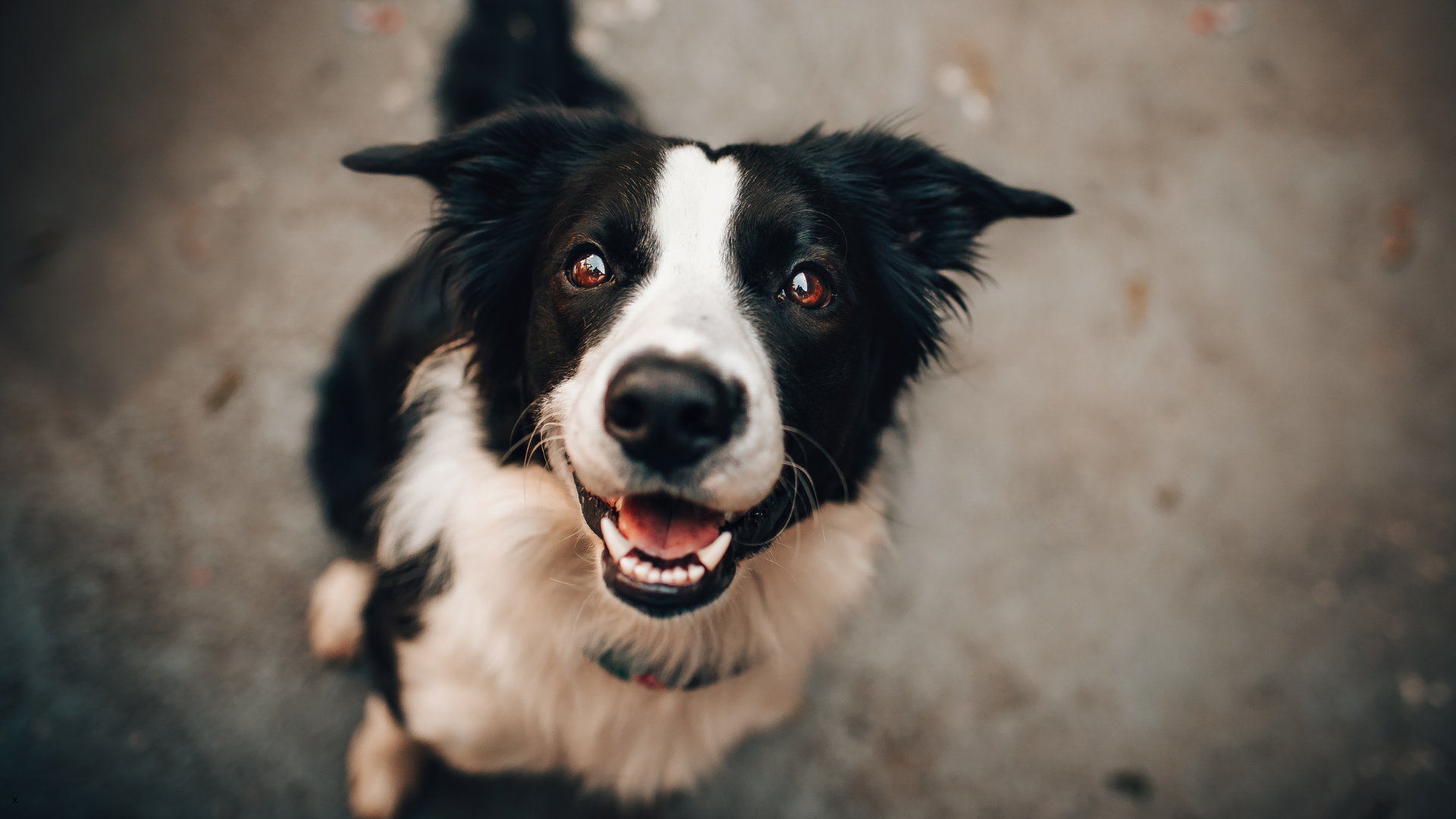
You can spot a confident dog by observing their body language and behavior:
- Relaxed posture and loose movements
- Soft eyes and a gently wagging tail
- Eagerness to explore new environments
- Comfort around unfamiliar people or pets
- Quick recovery after minor stress (like loud noises or new places)
Confidence doesn’t mean a dog is fearless—it means they feel secure enough to adapt to new situations calmly.
What Makes a Dog Confident?
Confidence is shaped by early experiences, training, and consistent care. Genetics play a role, but so do positive interactions with people and other animals. Dogs who are rewarded for curiosity and bravery tend to develop stronger confidence over time.
Health also plays a part—pain, hearing loss, or vision issues can make pets more anxious or withdrawn. Regular checkups help rule out medical causes of fear-based behavior.
How to Build Your Dog’s Confidence
1. Positive Reinforcement Training
Rewarding calm, brave behaviors encourages your dog to repeat them. Focus on treats, praise, and play—not punishment.
2. Gentle Exposure to New Experiences
Introduce your dog to new surfaces, sounds, and environments slowly. Keep sessions short and positive. For example, a quiet walk downtown or meeting one calm dog at a time.
3. Enrichment Activities
Puzzle feeders, nose work, and hide-and-seek games stimulate your dog’s mind and boost self-assurance.
4. Handling Practice
Touch your dog’s paws, ears, and tail gently while rewarding them. This helps them stay calm during vet exams or grooming.
5. Provide Predictability
Dogs feel more secure when they understand their routine. Consistent meal times, walks, and bedtime rituals help build confidence.
When to Ask for Professional Help
If your dog shows signs of fear—such as excessive panting, pacing, hiding, or growling—it may be time to consult your veterinarian or a certified behaviorist. Confidence can be rebuilt, but severe anxiety often benefits from professional guidance.
Confidence Starts with Compassion
Building your dog’s confidence takes patience, encouragement, and understanding. The payoff is a happier, more relaxed companion who’s ready to take on the world by your side.
📞 Call The Pet Clinic at 503-370-9988 to schedule a behavioral wellness consultation or discuss your dog’s emotional health.