

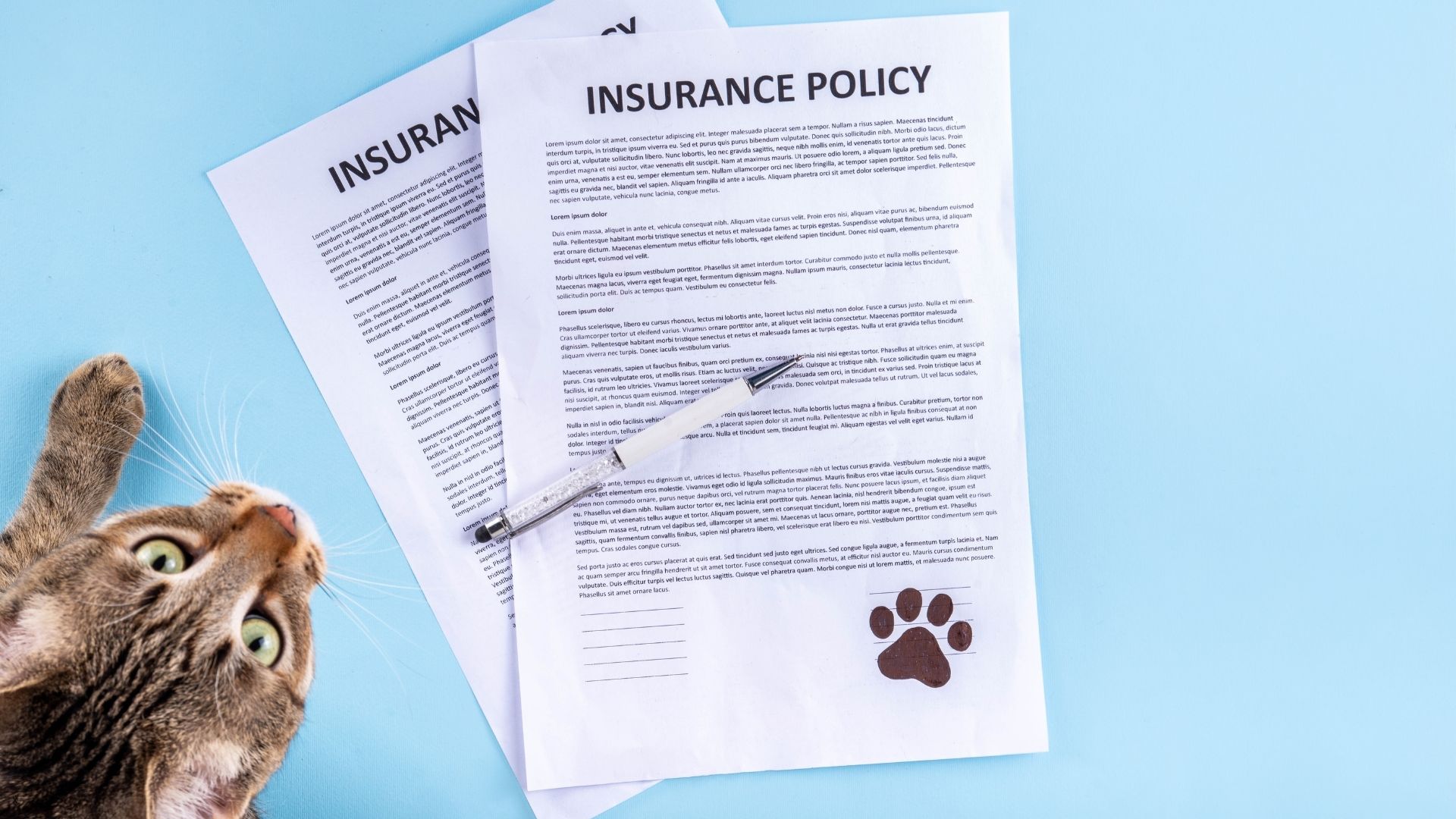
Your dog ate something he shouldn’t have — again. One emergency visit and a few X-rays later, you’re handed a bill that makes your stomach drop.
We see situations like this all the time at The Pet Clinic, and one of the most common questions pet owners ask afterward is:
“Should I have gotten pet insurance?”
What Pet Insurance Does (and Doesn’t) Cover
Pet insurance works a lot like human health insurance — you pay a monthly premium, and if something goes wrong, the plan covers a portion of the cost. Most accident-and-illness plans cover things like:
- Emergency visits and surgeries
- Diagnostic tests (bloodwork, X-rays, ultrasounds)
- Hospitalizations
- Specialist referrals
- Some medications
What they typically don’t cover: pre-existing conditions, routine wellness visits (unless you add a wellness rider), dental cleanings, or elective procedures. Read the fine print before you commit — coverage varies a lot between providers.
Some plans are excellent. Others are frustratingly limited. The details matter more than the marketing.
The Math That Actually Matters
A single emergency surgery can run anywhere from $1,500 to $5,000 or more. A cancer diagnosis, a broken bone, or a bad bout of pancreatitis can easily hit that range. Monthly premiums for a healthy young dog or cat usually land between $30–$80 depending on the plan and your pet’s breed.
If your pet has one significant health event in their lifetime, insurance often pays for itself many times over. The catch is that you’re betting on the unknown — and that’s exactly the point.
When It Makes the Most Sense
Pet insurance tends to be most valuable when:
- You get it early. Premiums are lower when pets are young and healthy, and pre-existing conditions won’t be excluded yet.
- You have a breed with known health risks. Some dogs and cats are statistically more likely to need surgeries or specialist care.
- You want peace of mind over medical decisions. One of the hardest parts of veterinary medicine is watching pet owners make decisions based on finances instead of what they want to do medically for their pet. Insurance changes that dynamic.
When It’s Less Clear-Cut
If you have a healthy adult pet, no known breed risks, and a solid emergency fund, self-insuring might make more financial sense. Some owners put a set amount aside each month into a dedicated “pet fund” instead. You can also explore our payment options and 18 ways to save on pet care — it’s not the right call for everyone, but there are real options.
What We Usually Recommend
In general, we tend to recommend:
- Getting insurance when pets are young and healthy
- Choosing accident-and-illness coverage over wellness-only plans
- Reading reimbursement percentages, deductibles, and annual caps carefully
- Picking a monthly payment you can realistically stick with long term
You don’t need the most expensive plan on the market — you just want coverage that would genuinely help during a major emergency.
Our Honest Take
We’re not here to sell you a policy — we don’t offer them. But we do see the difference it makes when a pet owner has coverage and doesn’t have to choose between their pet’s health and their budget. If you’re on the fence, we’re happy to talk through your pet’s specific situation and help you figure out if it makes sense.
Give us a call or stop by — we’re always glad to help you think it through.

Leave A Comment